

Hinges for hotel design: the interplay of architecture, functionality, and precision
- 5 MIN. READ
- 2026-06-30
Hotel architecture brings together aesthetic aspiration, functional robustness, and technical precision. Doors play a central role in this mix: they structure spaces, manage flow, and shape how materiality and design are perceived. Choosing the right hinge system is a key factor in ensuring a door fulfils its purpose reliably, securely, and with visual appeal over the long term. SIMONSWERK offers specialised solutions for various hotel areas, supporting architectural concepts while meeting high functional requirements.
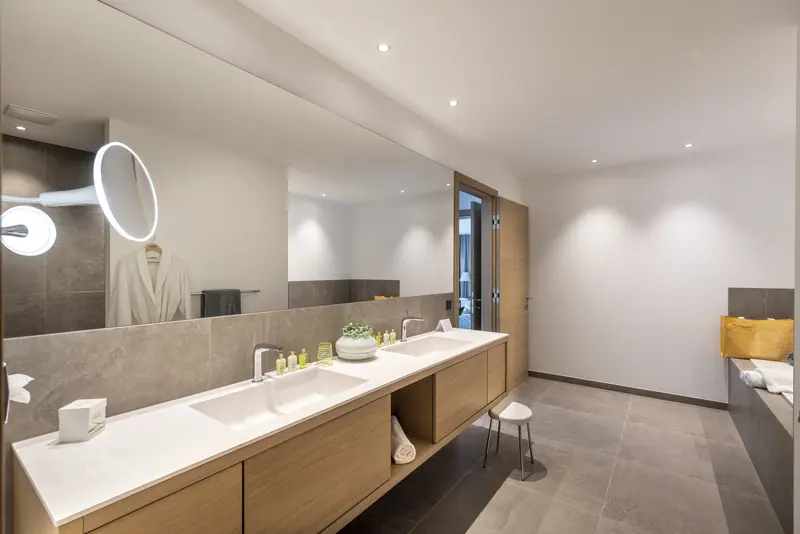
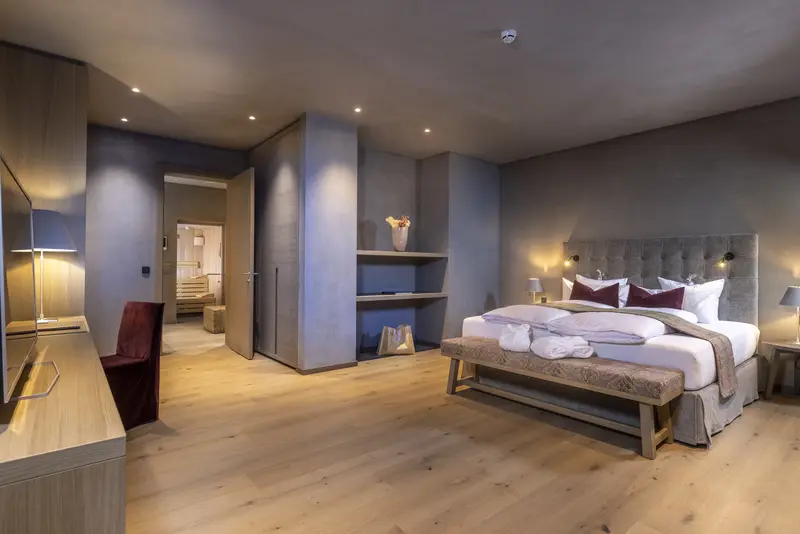
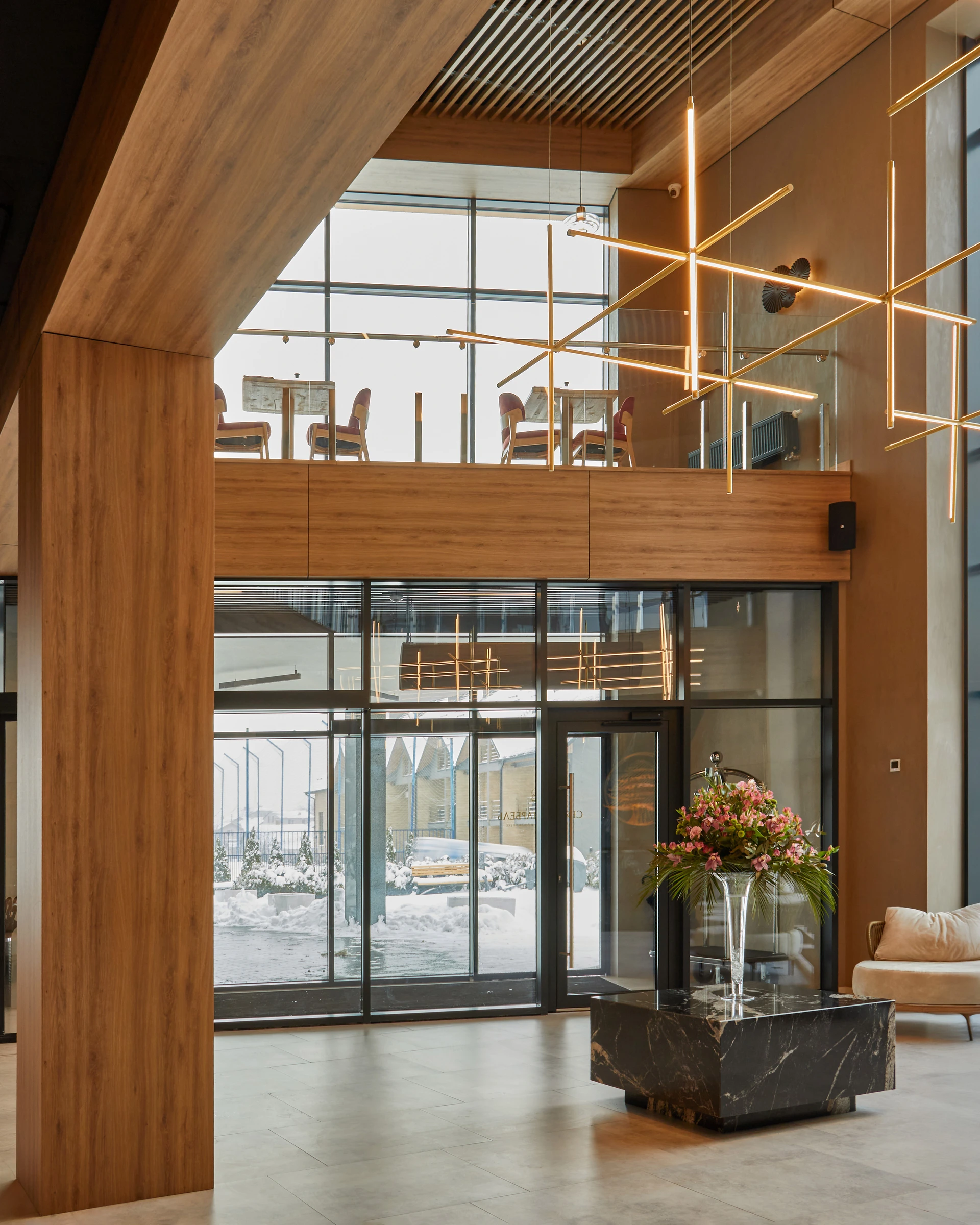
Conference rooms and event spaces are also designed to make a powerful first impression. They need to have generous room layouts, expansive walls, and often oversized doors that underscore the architectural vision. Such dimensions entail unique challenges, as they generate significant forces and require exceptional stability.
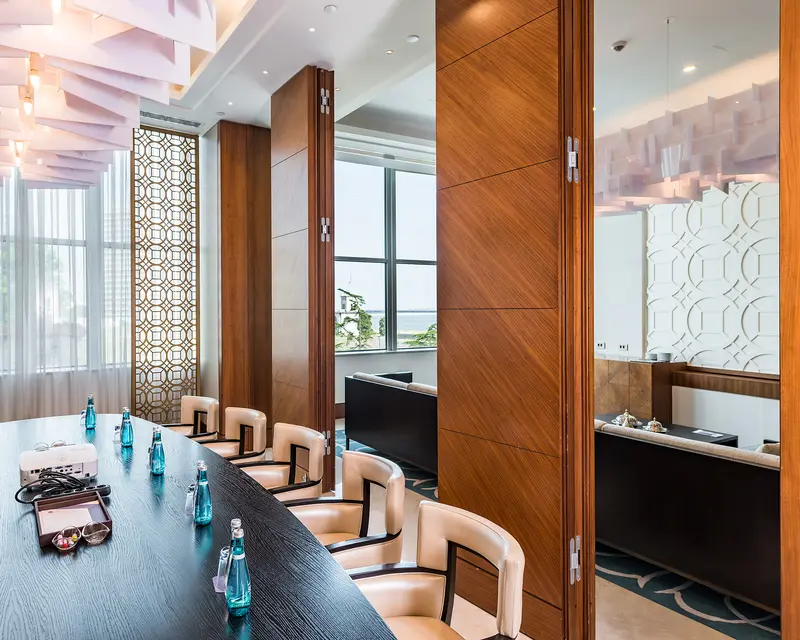
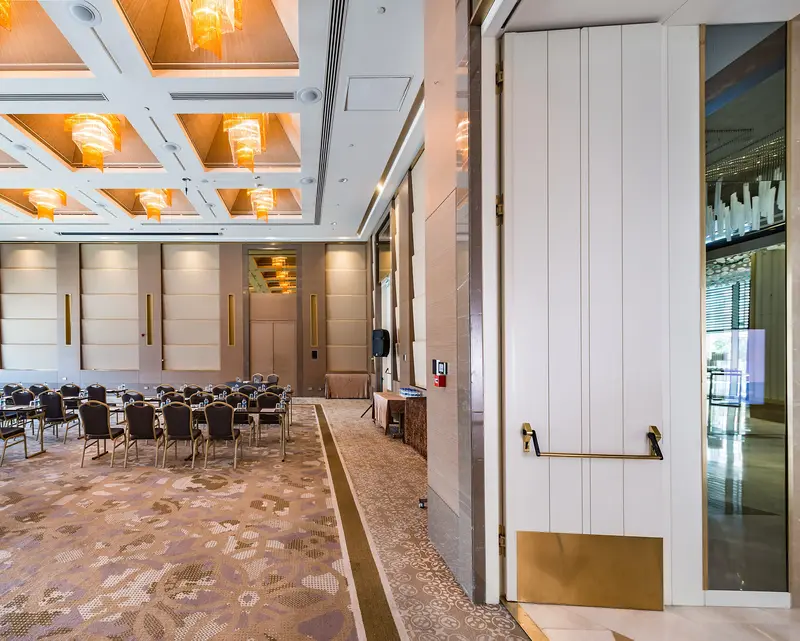
This is where the TECTUS TE 645 3D concealed hinge system comes into play: it supports loads of up to 300 kilograms while still allowing the door leaf to move smoothly with precision. The combination of high load-bearing capacity, maintenance-free slide bearings, and three-dimensional adjustability ensures that even large-scale doors operate reliably. By remaining completely concealed, the hardware supports the clean, linear look of modern conference rooms.
In a hotel’s private quarters, the priorities are comfort, quiet, and intuitive ease of use. In addition to these, access management is becoming increasingly vital, as electronic latching systems, digital check-in processes, and smart room controls are fast becoming the industry standard.
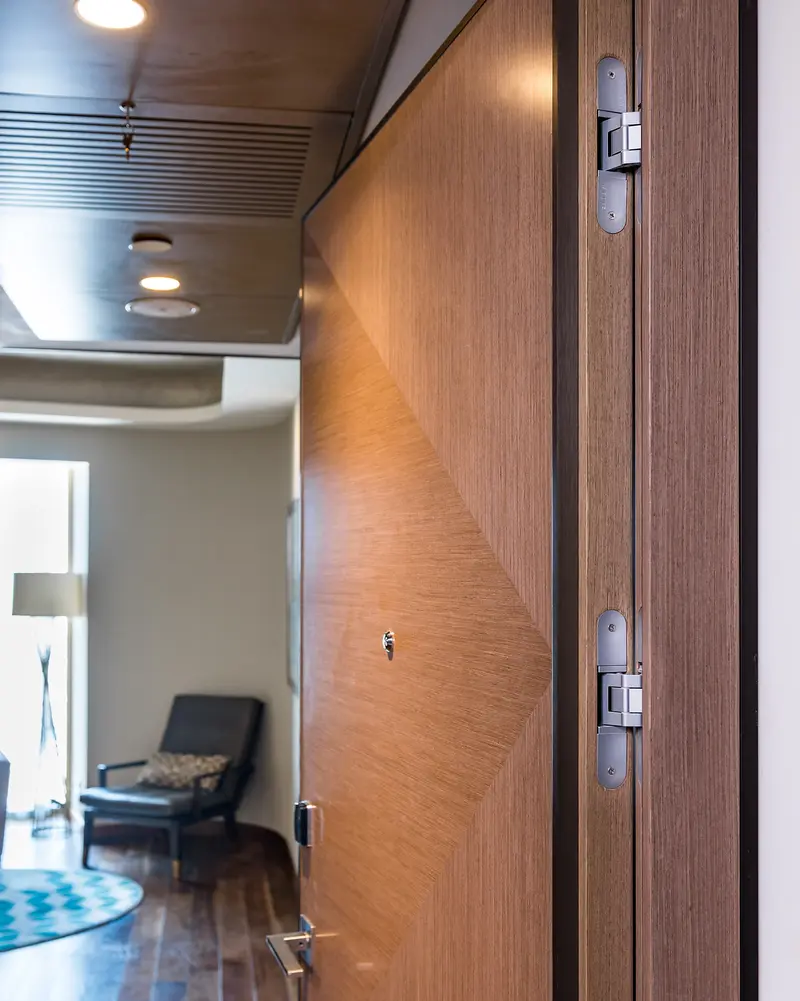
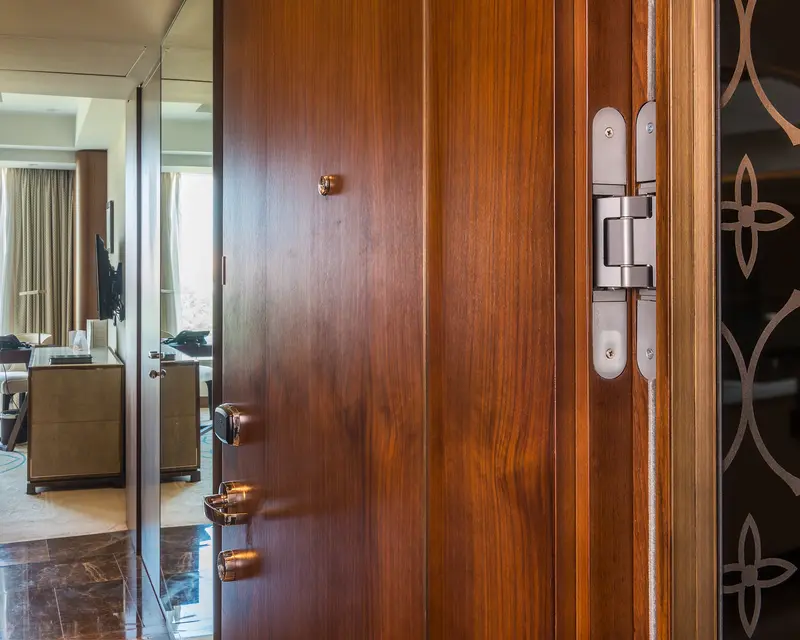
The TECTUS Energy hinge system combines concealed TECTUS technology with integrated energy transfer, meaning electronic latching systems can be invisibly integrated into the door, with no visible cables or external components compromising the appearance. The result is flush door solutions that meet high design standards while fulfilling the technical requirements of modern access control. The hidden hardware preserves the peaceful, premium atmosphere of a hotel room, allowing for an understated interior design free from distracting elements.
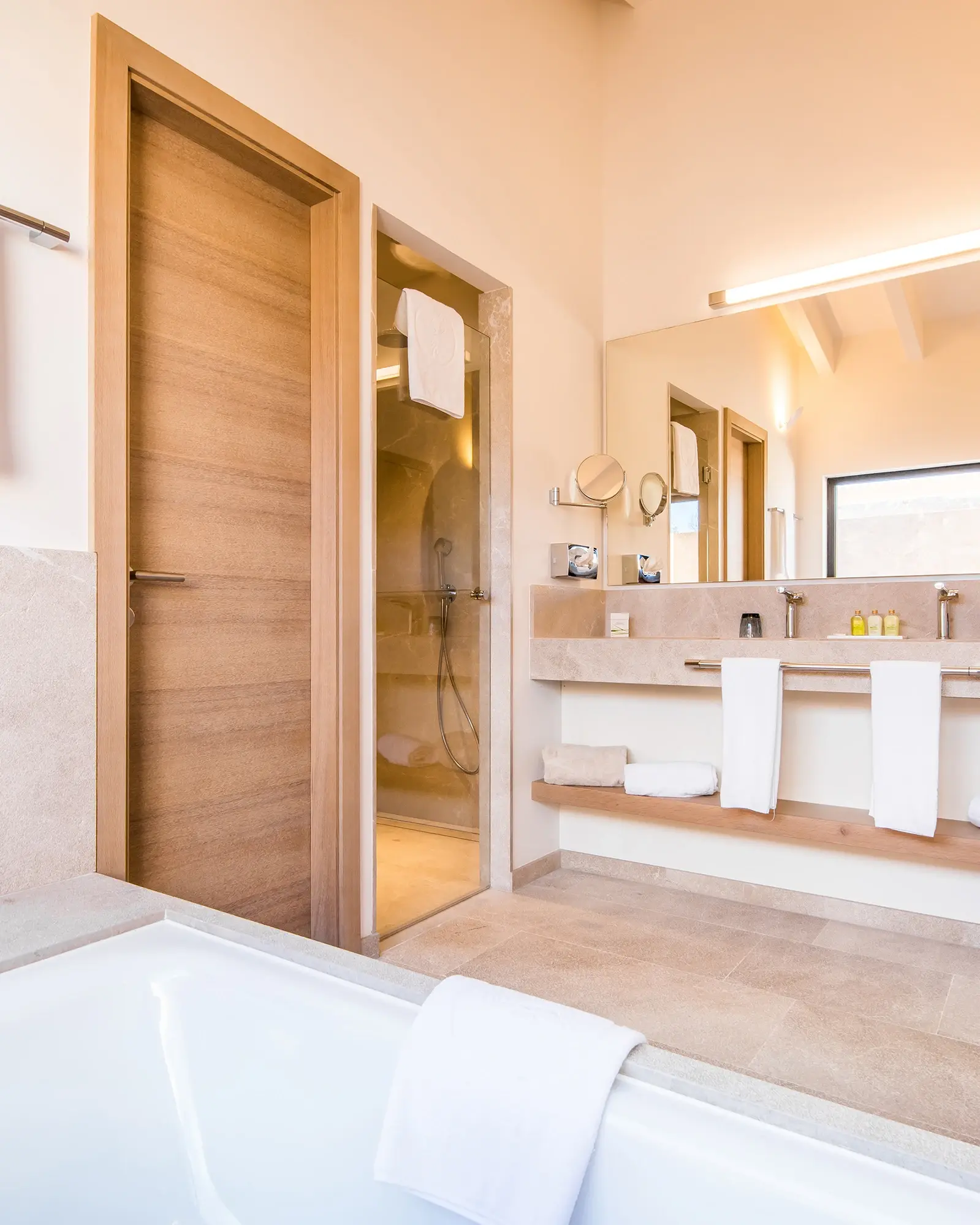
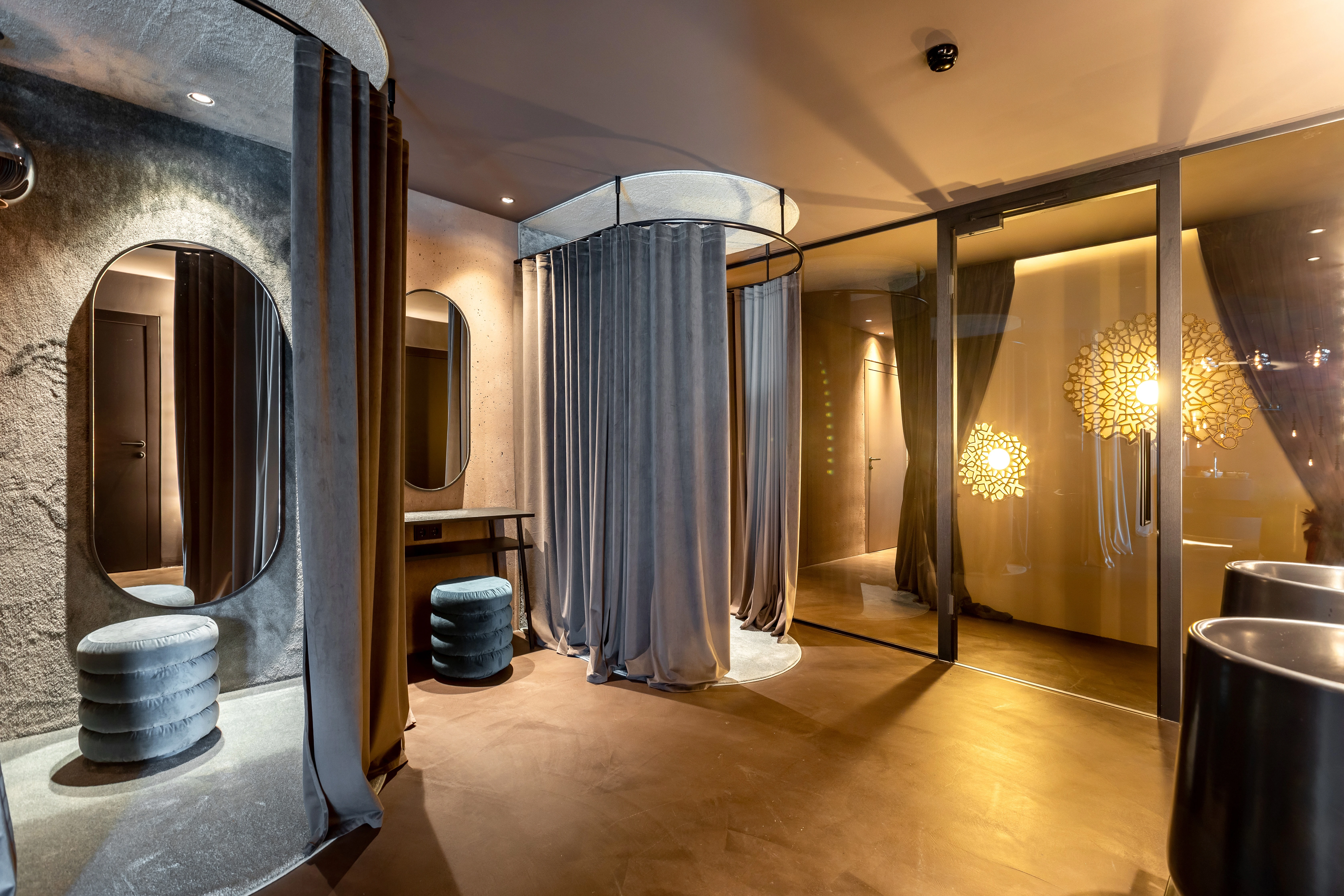
The most important criteria in a hotel’s functional zones are safety, reliability, and long-term mechanical stability. Doors to stairwells, underground car parks or internal service areas must meet strict fire and smoke protection standards while handling high volumes of traffic for years to come. Having a robust, compliant hinge system in these areas is essential.
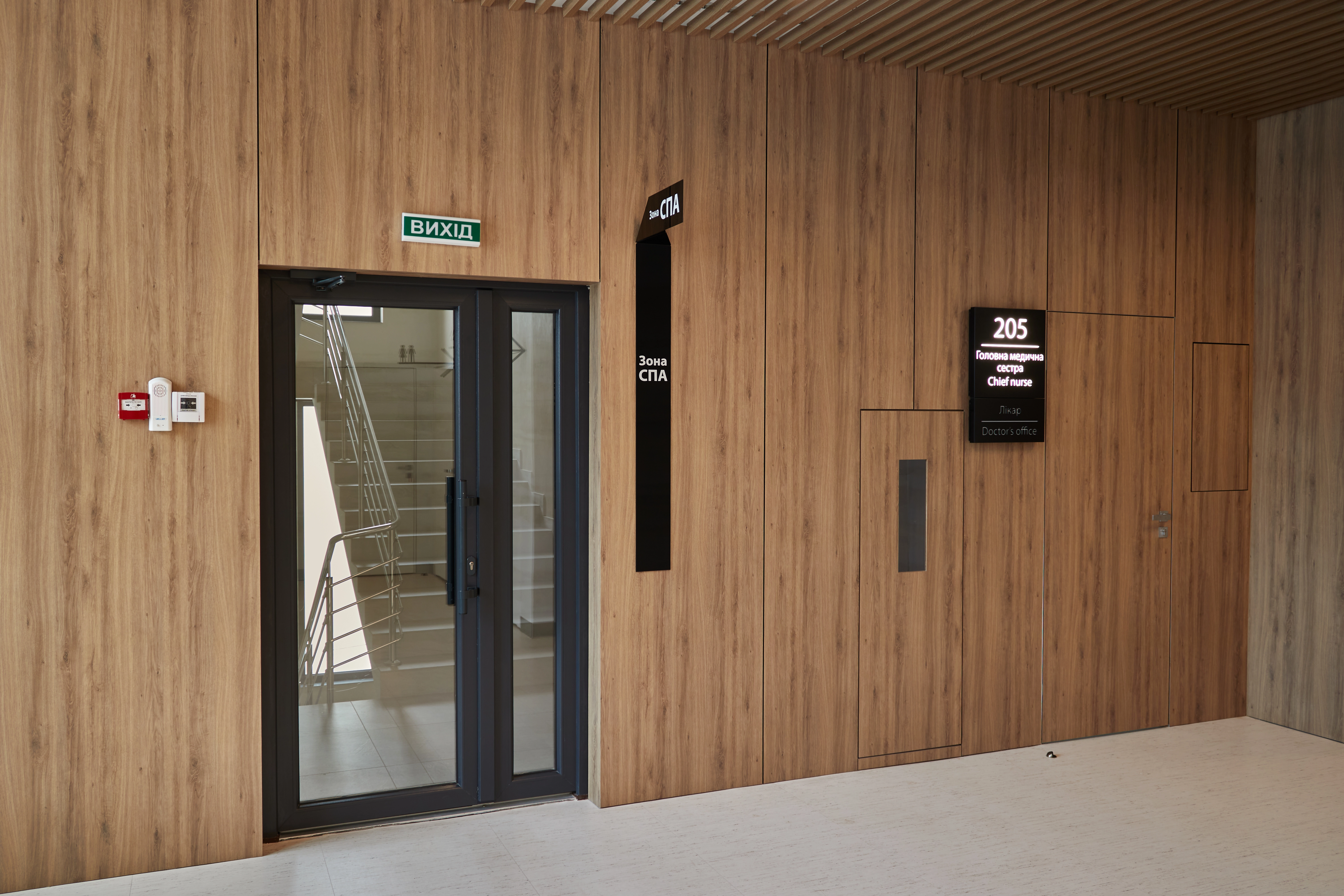
TECTUS concealed hinge systems, certified for fire and smoke protection doors, are a compelling solution. They combine technical safety with precise, durable mechanics, while facilitating a clean, understated design. Thanks to their concealed construction, doors sit flush with neighbouring walls to create continuous surfaces, ensuring a premium, uncluttered feel in corridors and circulation spaces. This makes these systems ideal for all areas where functionality, robustness, and design restraint are equally paramount.
Whether it is concealed systems for flush doors, glass door hinges for spa areas, or robust, heavy-duty commercial hinges for high-traffic functional zones, choosing the right hinge system is an essential part of a well-thought-out, durable and aesthetically striking hotel architecture.
Throughout the hospitality environment, SIMONSWERK hinges combine technical precision with architectural clarity. They support hotel concepts focused on durability, comfort, and design quality, proving just how instrumental the right details can be in creating the overall feel of a building. If you are planning a project in the hotel sector, discover the benefits of the SIMONSWERK Architect Service: our experts are happy to support you with bespoke planning advice.
The new article "Hinges for hotel design: the interplay of architecture, functionality, and precision" from our online magazine is available for you to download. Once downloaded, you can read the article offline anytime and anywhere.