
More than skin deep: How materiality shapes architecture
- 5 MIN. READ
- 2026-05-26
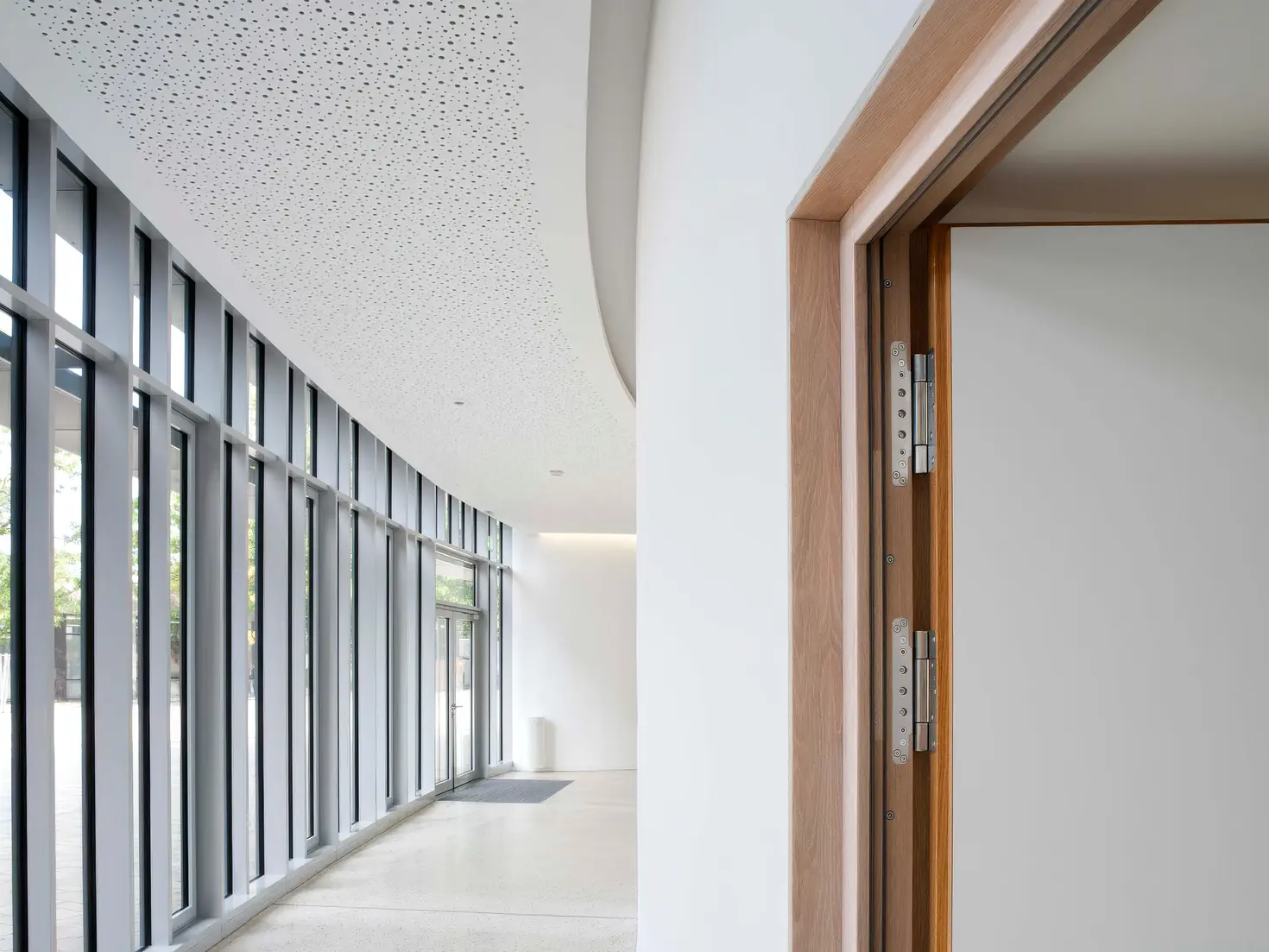
Materiality is the very fabric of architecture. It dictates not just how a building looks, but how it feels and how we experience it. Materials carry their own narrative: stories of provenance, craftsmanship, and the patina of age. In an era dominated by digital drafting and optimisation, a conscious return to materiality is becoming increasingly important, because materials create identity, atmosphere, and a sense of place while bridging technical performance with aesthetic appeal.
Whether it is timber, glass, concrete or steel, every material speaks its own language. Timber exudes a warm, organic feel; glass offers transparency and weightlessness; steel embodies precision and structural integrity. The choice of material is about far more than visual impact. It defines a building’s acoustics, feel, lighting, and environmental footprint. Architects deliberately harness these intrinsic traits to shape spaces, define transitions, and intuitively guide how a room is used. Far from a decorative afterthought, materiality is an integral part of the architectural concept.
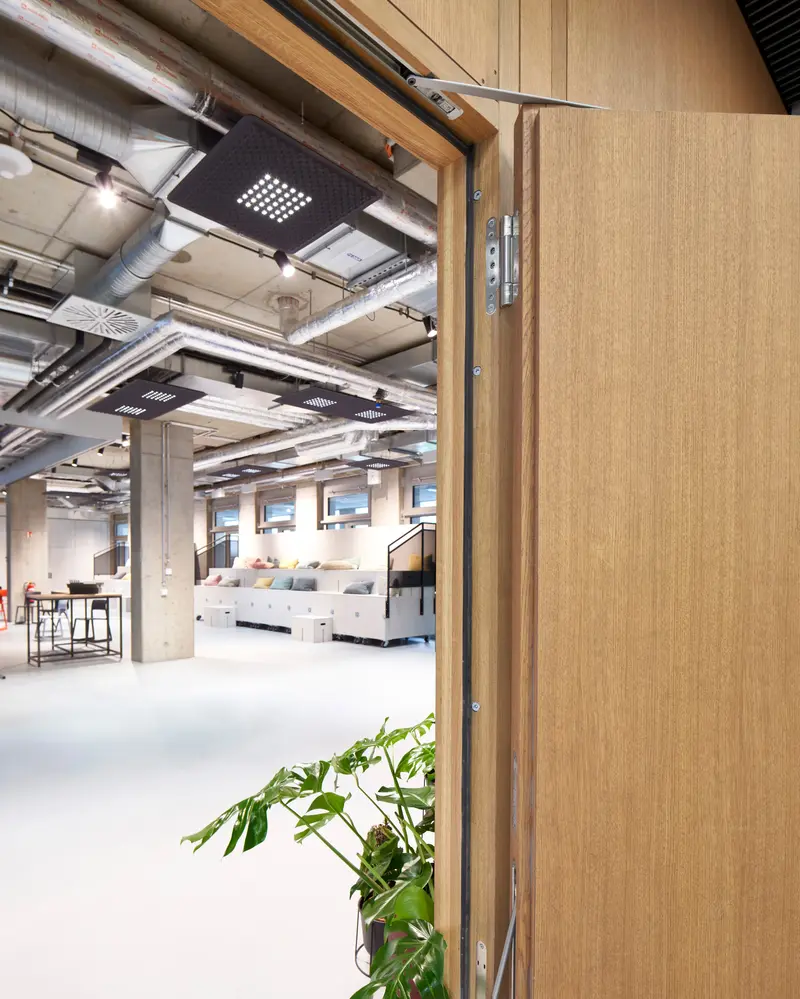
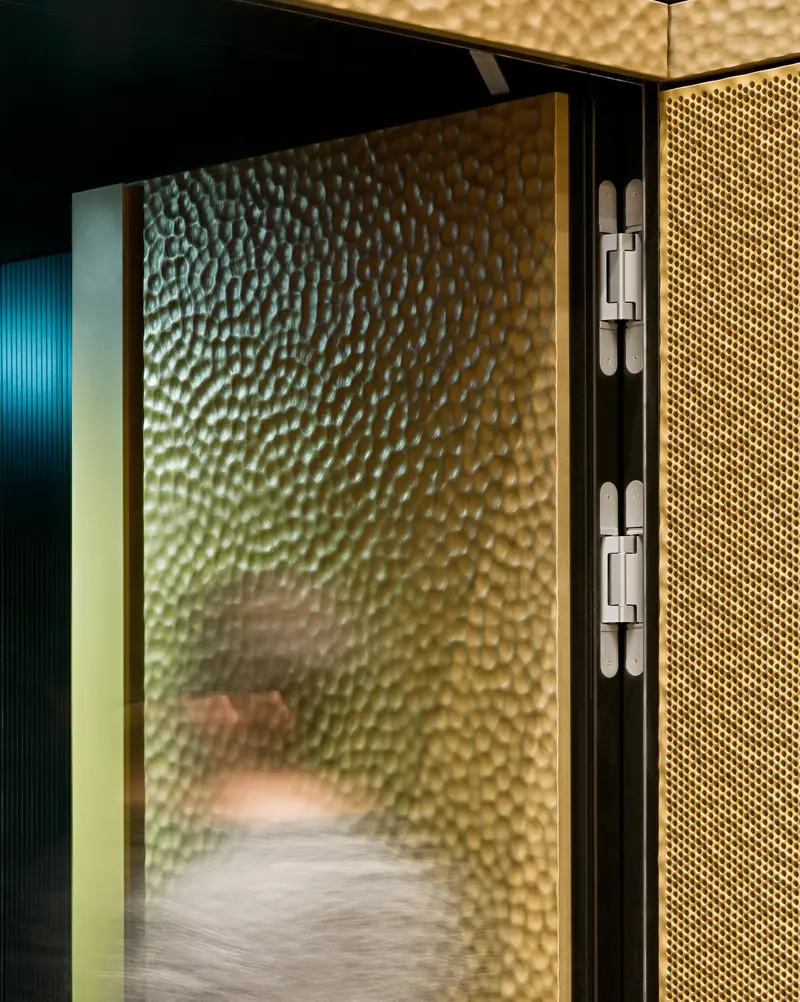
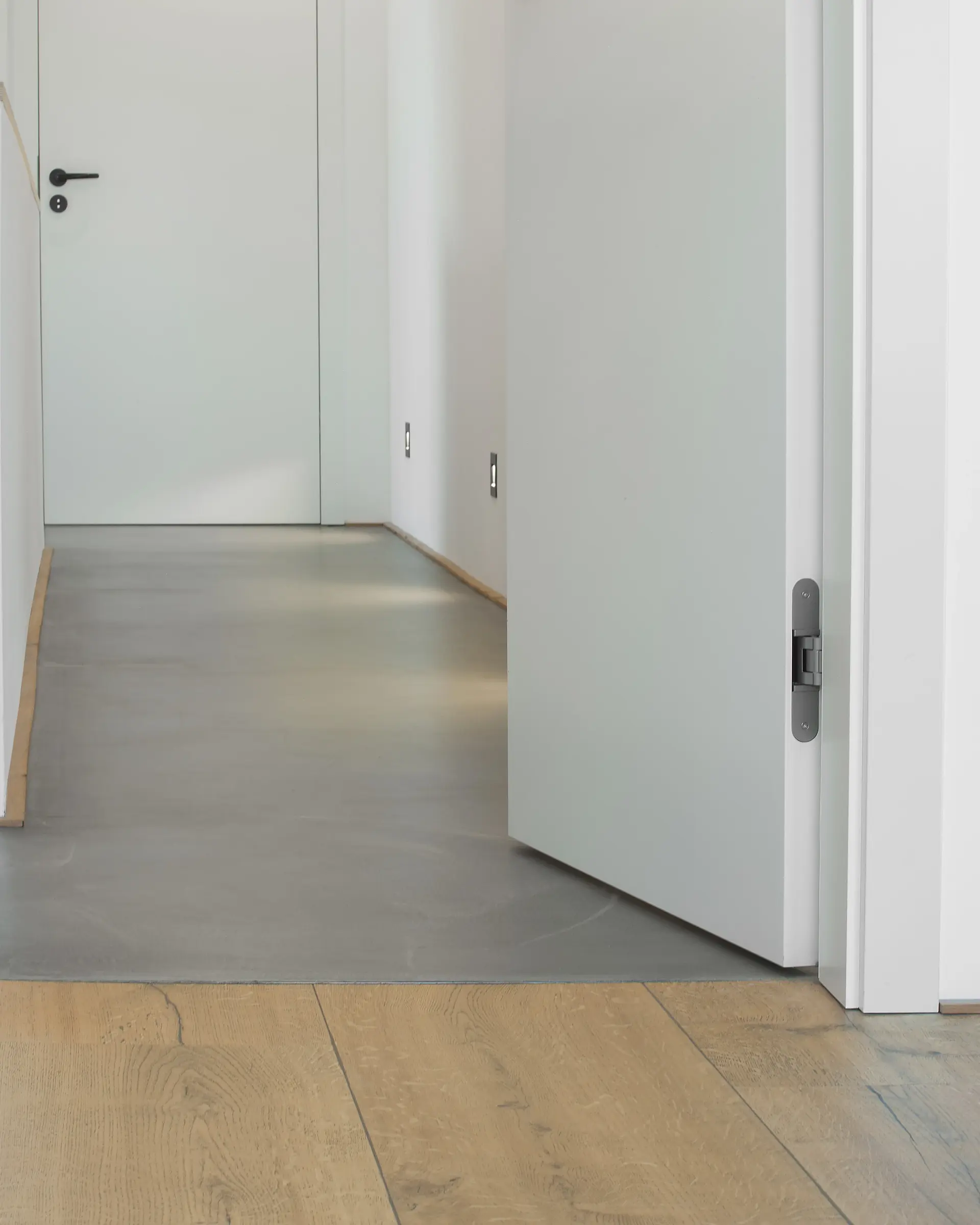
For SIMONSWERK, finishes are never just the outer coating of a hinge. They are a deliberate design tool that fundamentally alters the look of a door and its immediate surroundings. Whether exposed or concealed, the finish of a hinge system influences how harmoniously a door integrates into an architectural scheme. Ultimately, hinges become part of the room’s design language.
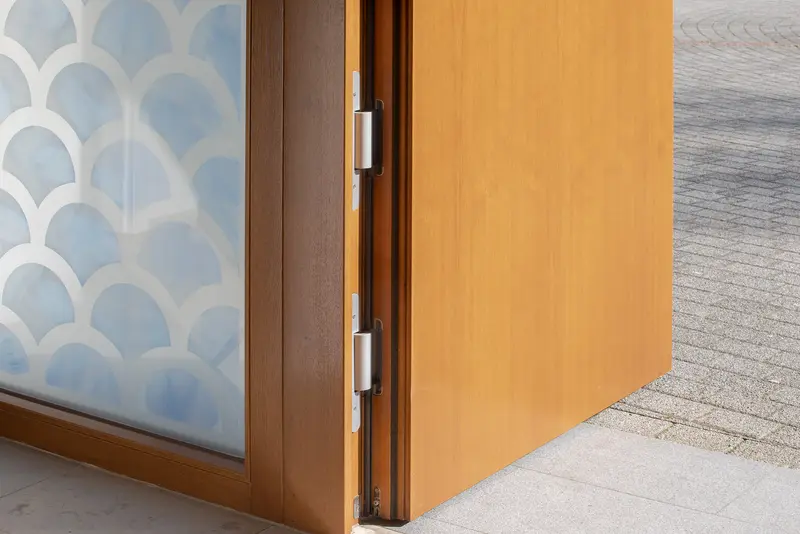
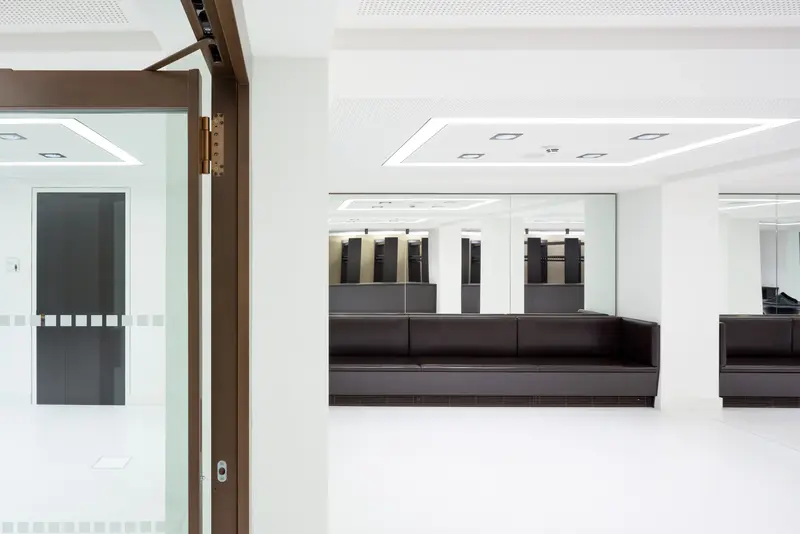
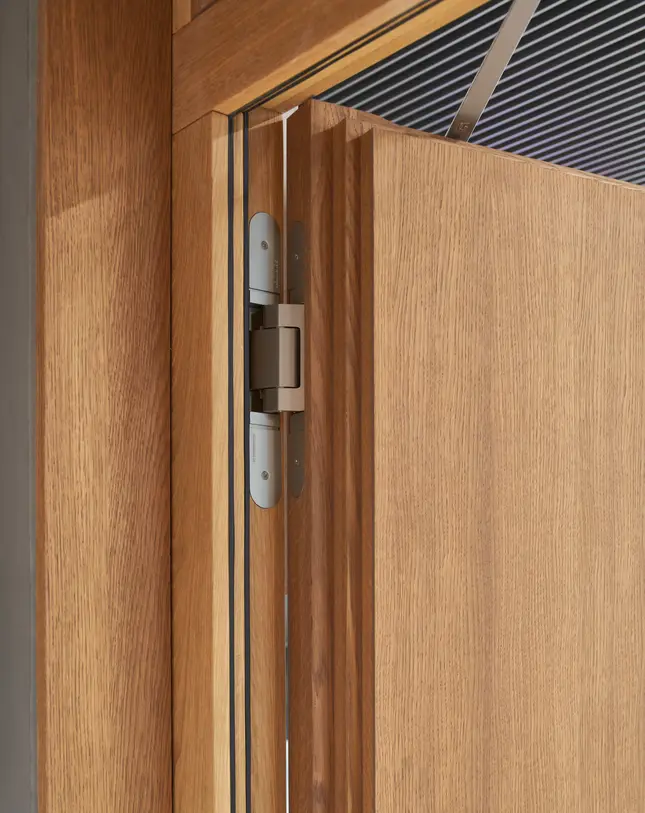
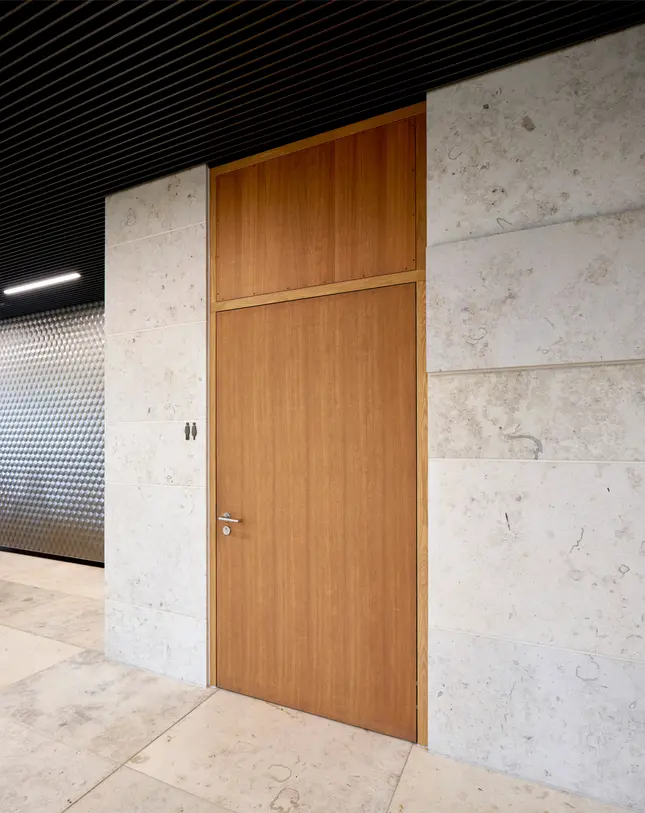
Conversely, knuckle hinges create a striking, intentional accent, giving doors a distinct character, even when closed. Stainless steel, anodised options or coloured coatings ensure the hinges deliver on both a functional and visual level. The finish becomes an eye-catcher highlighting the door’s style and materiality, whether it is a metallic finish, polished nickel, polished brass, rose gold, dark bronze, black, anthracite, or even a bold accent colour.
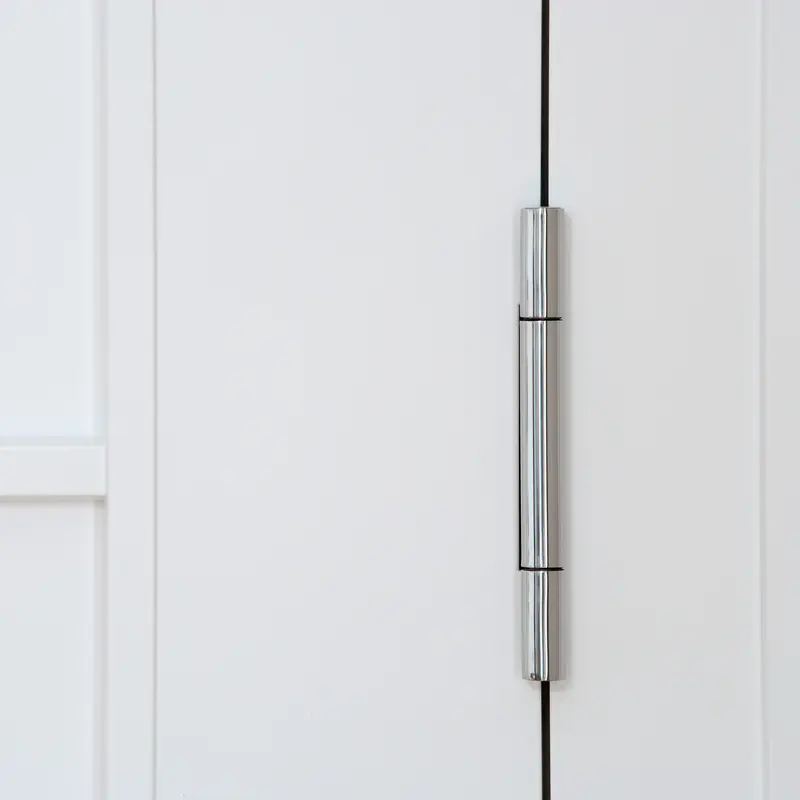
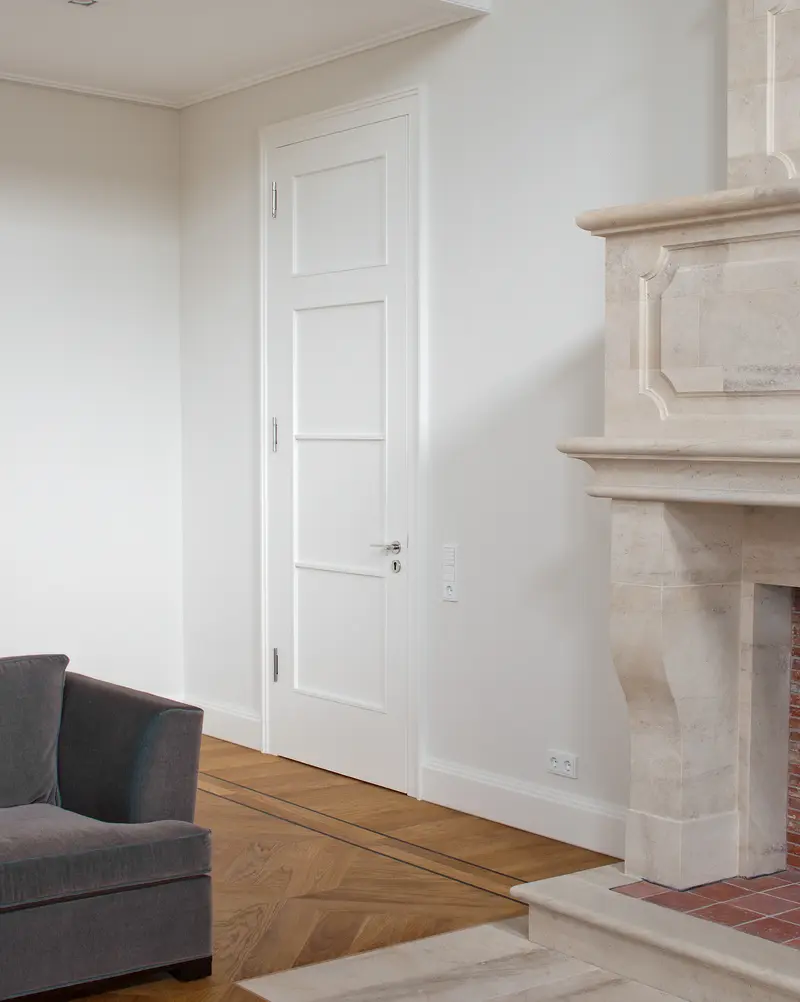
A key design criteria is matching the hinge’s finish to the architectural vision and the door’s material. Timber doors, for instance, pair naturally with warm, classic metallic finishes, whereas understated or colour-coordinated solutions are perfect for PVCu and aluminium doors. Glass doors, by contrast, find their perfect match in crisp stainless steel finishes and razor-sharp lines. Every finish is engineered to complement the door’s material and underscore its character.
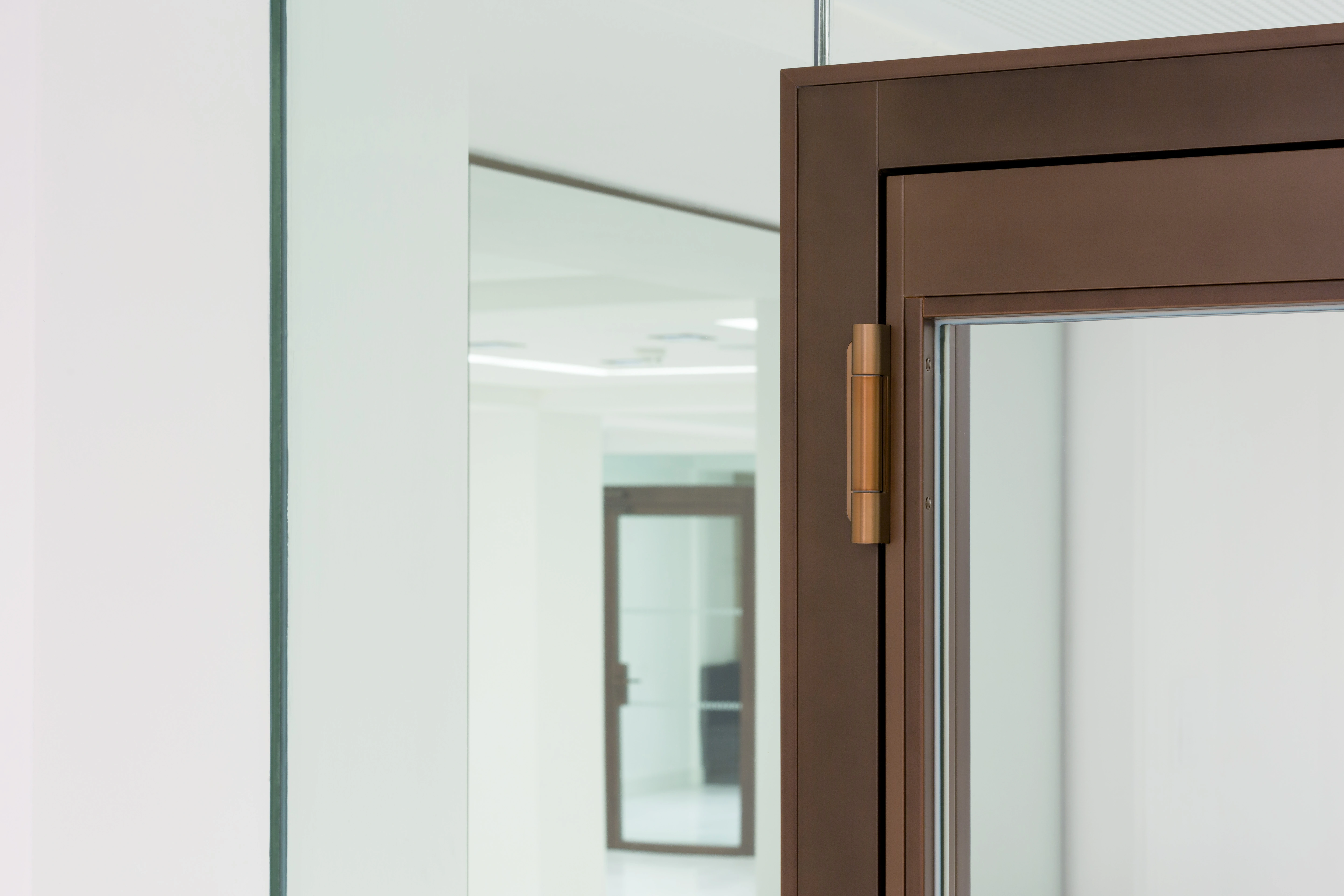
Many of the finishes follow a clear design principle: reduction. SIMONSWERK champions clean lines, precise craftsmanship, and premium materials that integrate unobtrusively into modern architecture.
Would you like help with a project? Then contact the SIMONSWERK Architects Service. Our experts are always on hand to provide bespoke advice and helpful tips on choosing the perfect finish.
The new article "More than skin deep: How materiality shapes architecture" from our online magazine is available for you to download. Once downloaded, you can read the article offline anytime and anywhere.